Building a Creative Studio From Scratch: Why I'm Building MAKE ENT Differently
I didn't start MAKE ENT Studio with an office, a large production team, expensive equipment, or a list of major clients.
I started with a computer, creative software, curiosity, and the willingness to figure things out.
What began as an interest in music and video production gradually became something much bigger: an attempt to build a modern creative studio that brings together post-production, technology, design, and AI.
This is the story of why I'm building it differently.
MAKE ENT isn't meant to simply be another video production company. It's being built as a creative production ecosystem.
It Started With Making Things
Every studio has an origin story. Some start with a business plan and an investor meeting. Others start with a camera and a dream.
Mine started with music.
I have been making things for as long as I can remember. Music was the first medium that really grabbed me. There was something about arranging sounds, building tension, creating release, and making something that did not exist before. That feeling never left.
From music, I moved into video editing. I started piecing together footage, learning how cuts affect emotion, how pacing controls energy, and how sound and picture work together. It was the same creative impulse, just a different canvas.
Then came visual effects and motion graphics. I remember the first time I saw a complex VFX shot and realized someone had built that from scratch. It was not magic. It was technique. It was software. It was patience. It was a million small decisions adding up to something that looked impossible.
I started learning. Not in a formal classroom. Not through a structured program. Just through experimentation. I would open After Effects and try to replicate something I had seen. I would fail. I would try again. I would learn one technique, then another, then another.
The learning never stopped. 3D animation. Color grading. Sound design. Motion tracking. Compositing. Each new skill opened up new possibilities.
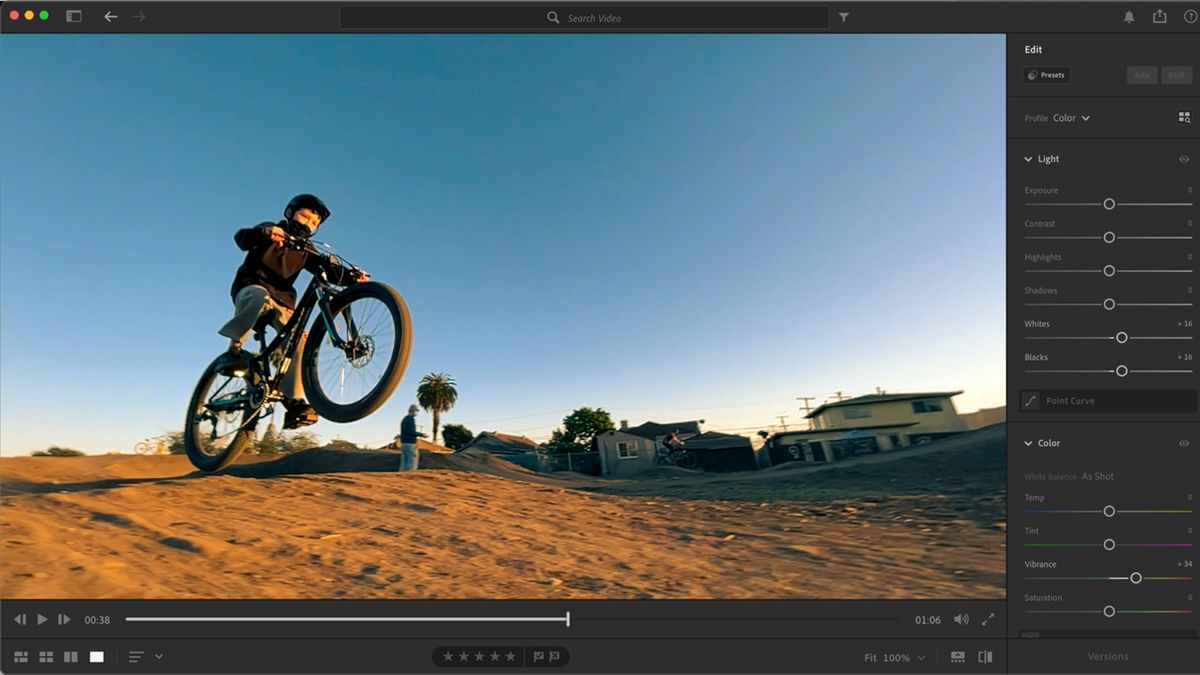
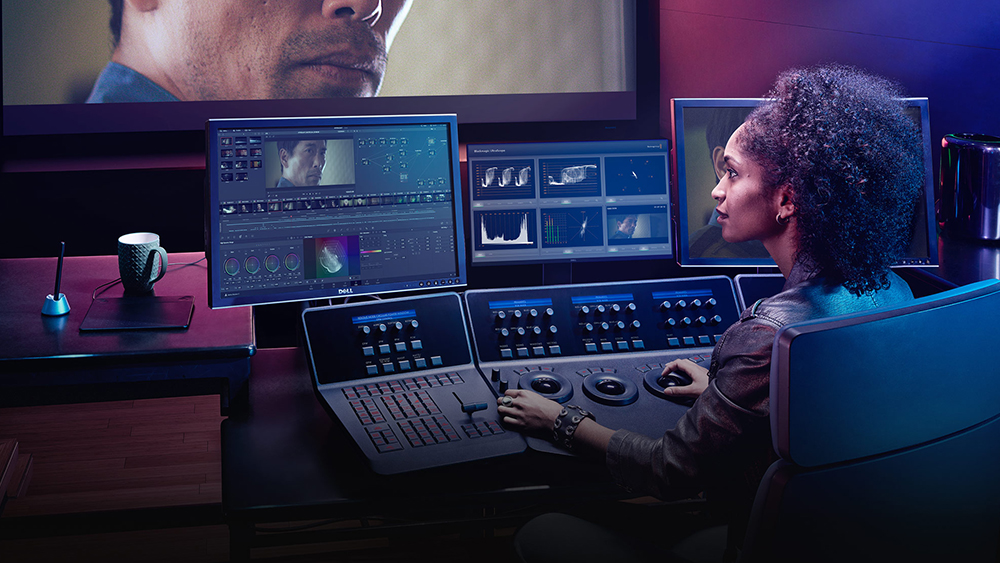
!Creative workspace with computer and editing software
Gradually, the individual projects started to feel like something more. People began asking me to work on their videos, their music projects, their commercials. I started thinking about what it would look like to build a real studio.
The studio was not designed first and then filled with services. The services emerged from the things I kept learning and building.
That distinction matters. When you start with services, you end up with a menu. When you start with skills and curiosity, you end up with something that adapts and grows as you do.
2019 was when the idea started to take shape. I began conceptualizing what a modern studio could look like. Not the traditional agency model with layers of management and rigid departments, but something more fluid, more connected, and more aligned with how creative work actually happens today.
The name MAKE ENT came later. It is simple. It is direct. It is about making things, and it is about entertainment in the broadest sense. Not just films or commercials, but anything that engages, moves, or communicates.
Creative Production Is Often Fragmented
One common production model looks something like this:
| Step | Description |
|---|---|
| 1 | CLIENT |
| 2 | ↓ |
| 3 | PRODUCTION |
| 4 | ↓ |
| 5 | EDITOR |
| 6 | ↓ |
| 7 | MOTION DESIGNER |
| 8 | ↓ |
| 9 | VFX ARTIST |
| 10 | ↓ |
| 11 | COLORIST |
| 12 | ↓ |
| 13 | SOUND DESIGNER |
| 14 | ↓ |
| 15 | WEB / MARKETING |
| 16 | ↓ |
| 17 | FINAL CAMPAIGN |
This is one version of how production can flow. It is a model I have seen repeatedly, and it often creates the same problems.
Each specialist works in their own silo. Each one uses their own software, their own workflows, their own file naming conventions, their own timelines, their own communication styles.
The problem is not that specialists are bad. Specialists are essential. The problem is that the workflow can become disconnected.
Here is what often happens:
- The editor finishes a cut and exports to the motion designer.
- The motion designer creates graphics and exports to the VFX artist.
- The VFX artist composites and exports to the colorist.
- The colorist grades and exports to the sound designer.
- The sound designer mixes and exports to the web team.
Every handoff introduces friction. Every export creates a new version. Every new software package means another learning curve. Every new person means another communication channel.
Different people. Different software. Different communication. Different timelines. Different expectations. Different file formats. Different version naming. Different everything.
The final product gets made, but the process often feels like passing a baton through a crowd rather than running a relay together.
What if a modern studio could connect these capabilities instead of treating them as completely separate worlds?
That question became the foundation for MAKE ENT.
I started thinking about how to bridge these gaps. How to build workflows where artists could collaborate more seamlessly. How to create a studio where the handoffs felt less like throwing something over a wall and more like passing it to someone who is already on the same page.
This is not about eliminating specialization. Specialization is valuable. The deep expertise that comes from focusing on one craft is irreplaceable. The goal is to connect that expertise better.
I wanted a studio where:
- Editors understand what VFX artists need
- Motion designers know how their work affects color grading
- Sound designers have context about the visual direction
- Everyone understands the overall creative vision rather than just their piece of it
This is harder than it sounds. Most studios talk about collaboration but still operate in silos. The structure encourages it. The billing models encourage it. The software encourages it.
I wanted to build something that actively discouraged fragmentation.
More Than Post-Production
MAKE ENT is being built as more than a traditional post-production studio.
Here is what the ecosystem looks like:
Creative Production
- Video editing
- Motion graphics
- Visual effects
- Color grading
- Sound design
- 3D animation
- Commercial content
- Music visuals
Digital
- Websites
- Interactive experiences
- Landing pages
- Creative technology
Technology
- Internal tools
- Automation
- AI-assisted workflows
- Production systems
- Custom creative software
This is not just a list of services. This is a connected set of capabilities that increasingly overlap and depend on each other.
The goal is not to offer everything just for the sake of offering everything. The goal is to connect capabilities that increasingly overlap.
Here is what I mean by that.
Think about modern video production. The line between editing and VFX is blurring. Editors now work with tracking data, 3D elements, and compositing tools that used to be reserved for specialist VFX artists. Motion designers work with video footage and sound. Colorists work with VFX passes. Everyone works with data.
The boundaries between disciplines are shifting. A studio that treats them as completely separate will have trouble adapting.
I have seen this firsthand. When I was learning, I did not learn one thing at a time. I learned editing, and that led me to motion graphics. Motion graphics led me to VFX. VFX led me to 3D. 3D led me to color. Color led me to sound. Sound led me to interactive.
The connections between these skills can be just as important as the skills themselves.
That is why the technology piece matters too. Digital experiences and video production are converging. A website is not just a website anymore. It is a platform for video, motion, and interactive elements. A commercial is not just a commercial. It is a piece of content that lives across screens, platforms, and formats.
The studio that can think across these boundaries will create better work. Not because it offers more services, but because it sees the connections that others miss.
The Studio Is Also Becoming a Technology Company
This might be the most unconventional part of the MAKE ENT vision.
I believe a creative studio can and should build technology.
!Technology infrastructure and creative tools
Here is what that looks like in practice:
| Area | Description |
|---|---|
| Internal production tools | Workflows, scripts, templates, and automation that make creative work faster and more consistent |
| Asset management systems | Ways to organize, search, and reuse creative assets across projects |
| Client portals | Secure, organized spaces where clients can access their projects, provide feedback, and track progress |
| Expert dashboards | Systems where specialist collaborators can manage their work, access project information, submit deliverables, and track payments |
| Automation | Handling repetitive tasks so creative people can focus on creative work |
| AI workflows | Using artificial intelligence for research, ideation, asset generation, and production assistance |
| Custom plugins | Extending the capabilities of existing creative software |
| Creative applications | Building entirely new tools when existing ones do not fit |
Instead of buying every solution, you can build parts of the infrastructure yourself.
This is not about reinventing wheels. It is about building better paths.
Here is a concrete example.
CompLab
I encountered a problem in my own creative production. I was spending too much time on compositing tasks that should have been faster. Managing layers, tracking elements, and maintaining consistency across multiple shots was eating into time that could have been spent on creative decisions.
The workflow felt inefficient. There had to be a better way.
So I started experimenting. I built scripts that automated repetitive operations. I created templates that maintained consistency. I developed tools that made complex compositing tasks more accessible.
These experiments became CompLab.
The story is simple:
I encountered a problem, I wanted a better workflow, I built a tool, the tool became a product.
This is much more interesting than simply saying "we develop software." It is grounded in real creative work. The technology emerges from the practice.
This is how I want MAKE ENT to operate. Not as a studio that occasionally does software projects, but as a studio where creative production and technology development are part of the same cycle.
Building the System Before Building the Organization
Here is another important distinction in how I am approaching this.
Traditional studios often follow this path:
| Stage | Approach |
|---|---|
| Traditional | Hire 30 people → figure everything out later |
| MAKE ENT | Build the infrastructure → establish workflows → create standards → build the network → scale production |
I am building the system before building the organization.
This means focusing on how things work before focusing on how many people are working.
Here is what that looks like in the MAKE ENT model:
| Level | Role |
|---|---|
| 1 | CLIENT |
| 2 | ↓ |
| 3 | MAKE ENT |
| 4 | ↓ |
| 5 | Project Management / Creative Direction |
| 6 | ↓ |
| 7 | Specialist Network |
| 8 | ↓ |
| 9 | Editors, VFX Artists, Motion Designers, Colorists, Sound Designers, 3D Artists, Developers |
A studio does not have to mean everyone works in the same building.
The network model gives us scalability without pretending we are already a giant agency. It lets us match each project with the right specialists. It lets experts work flexibly. It lets us grow capacity without growing overhead.
This is not just a cost-saving measure. It is a creative philosophy.
When you have a fixed team of people who are always available, you tend to use them whether they are the best fit or not. When you work with a network, you can select the right person for each project. You can adapt to different client needs. You can work with people who specialize in exactly what a project requires.
This model also attracts better talent. Some of the best creative professionals prefer to work independently. They do not want to be employees. They want to work on great projects without being locked into a single studio's culture and workflow.
A well-designed network gives them that option. It provides the support structure and professional environment of a studio while maintaining the independence they value.
The challenge is making the network work seamlessly. That is where the infrastructure comes in. I am working toward a system where specialist collaborators can manage their work, access project information, submit deliverables, and track payments. The systems need to be good enough that working with MAKE ENT feels as smooth as working in a traditional studio.
Where AI Fits Into the Studio
AI is everywhere right now. Every studio is talking about it. Every article is about it.
I want to take a different approach.
AI is infrastructure, not the creative identity.
Here is how I think about it.
AI is useful for:
- Repetitive tasks
- Ideation and exploration
- Workflow automation
- Asset generation
- Technical experimentation
- Research
- Production assistance
AI can assist with creative exploration, but it does not replace creative judgment.
AI can generate possibilities. People decide which possibilities are worth pursuing.
| AI Can Do | AI Cannot Do |
|---|---|
| Generate options | Choose the right option |
| Automate technical tasks | Understand creative context |
| Suggest ideas | Develop a creative vision |
| Assist with research | Build client relationships |
| Handle repetition | Make artistic judgments |
I do not want to build a studio where AI replaces the people making the work. I want to build one where good people can use better tools.
This is a crucial distinction.
The studios that succeed with AI will be the ones that use it to enhance human creativity, not replace it. The ones that use AI for the things it is good at while keeping humans at the center of creative decision making.
I have experimented with AI workflows in production. I have used it for generating concepts, automating technical tasks, and exploring creative possibilities. It is powerful. But it is not the creative engine. It is a tool in the toolbox.
In the MAKE ENT model, AI exists alongside traditional tools like After Effects, Premiere, Nuke, Cinema 4D, DaVinci Resolve, and everything else. It is another technique to learn, another capability to integrate, another way to make better work.
The creative identity of the studio does not come from the tools. It comes from the taste, experience, and judgment of the people using them.
You Do Not Need to Start Big
Let me be honest about the reality of building this.
I am building this with limited resources. No massive funding. No established client base. No famous projects.
But I do not see that as a weakness.
Here is what having limited resources has forced me to do:
- Learn independently
- Figure out software through experimentation
- Build websites myself
- Experiment before committing to expensive solutions
- Make mistakes and learn from them
- Rebuild things when they do not work
The constraint forced me to learn how the entire system works.
I did not just learn editing. I learned:
- Creative craft
- Technical skills
- Business operations
- Product development
- Marketing
- Infrastructure building
- Network management
This breadth of understanding is an advantage. When I work with a VFX artist, I understand what they need. When I work with a client, I understand what they are seeing. When I build a tool, I understand how it fits into the creative workflow.
The people who start with everything often miss this. They hire specialists and never learn the craft themselves. They buy tools and never understand how they work. They outsource everything and never develop their own intuition.
Starting small means you have to know how everything connects. That connection is harder to learn than any single skill.
This does not mean I want to stay small forever. But it does mean I appreciate what the early stage is teaching me.
The Bigger Vision
Now let me zoom out and describe what I am actually trying to build.
| Pillar | Components |
|---|---|
| MAKE ENT | The Studio |
| CREATIVE | Video / VFX, Motion, 3D, Sound |
| TECHNOLOGY | Software, AI, Tools, Systems |
| NETWORK | Experts, Editors, Artists, Developers |
| CLIENTS | The Work |
This is the MAKE ENT ecosystem. Three connected pillars.
Creative - The work. The projects. The films, commercials, music videos, visual experiences. This is what people see.
Technology - The tools. The systems. The infrastructure that makes the creative work possible. This is what powers the studio.
Network - The people. The specialists. The collaborators who make the work happen. This is the studio's extended team.
These three pillars support each other.
Creative work generates insights that inform technology development. Technology makes creative work more efficient and effective. The network brings together the people who do both.
The clients are at the center. Everything serves the work.
The goal is not necessarily to become a giant agency. It is to build a production system capable of producing serious creative work.
That distinction matters. A giant agency is about scale. A production system is about capability.
Scale is important. But capability is the foundation. Building capability first means the scale will be sustainable when it comes.
Things Building MAKE ENT Has Taught Me
Building this has taught me things I could not have learned any other way.
1. A studio is more than creative talent.
You need systems. You need workflows. You need standards. You need processes that do not crush creativity but support it. Good creative people will not save a studio with bad infrastructure.
2. Technology can multiply creative capability.
One good workflow can save hundreds of hours. One good tool can open creative possibilities that did not exist before. The right technology investment pays for itself many times over.
3. Branding matters.
People need to understand what you are before they can trust you. Branding is not just a logo. It is clarity. It is consistency. It is communicating your value in a way that makes sense to the people you want to work with.
4. You have to build before you feel ready.
The first version will not be perfect. It will not be everything you want it to be. But it will exist. And existing is a prerequisite for improving. You cannot improve something that does not exist.
5. Learning across disciplines creates leverage.
Editing plus VFX plus software plus design creates combinations that a single-discipline specialist might not see. The connections between skills create new possibilities. The more you learn, the more connections you can make.
6. A company can be built gradually.
You do not need to look like a huge company on day one. You can build piece by piece. You can add capabilities as you learn. You can grow at a pace that makes sense for you and the work.
Where MAKE ENT Goes From Here
This is the roadmap I am working toward.
Now
- Strengthen the studio website
- Publish more work
- Build the journal
- Develop production workflows
- Take on clients
- Develop internal tools
Next
- Expand the expert network
- Improve client and project infrastructure
- Build more creative technology
- Develop repeatable production systems
Long Term
- Larger creative network
- More sophisticated production infrastructure
- Original products
- Larger commercial productions
- Potential physical studio
These are not dates. They are directions. The specifics will change as I learn more.
What matters is that the direction is clear: build a studio where creative production and technology work together, where specialists can collaborate across disciplines, and where the infrastructure is as impressive as the creative work.
This Is Only the Beginning
MAKE ENT is still being built.
The website will change. The tools will change. The workflows will change. The team will grow. Some ideas will work, and others will not.
But the direction is becoming clearer.
I want to build a studio where creative production and technology are not separate disciplines.
A place where editors, artists, designers, developers, and other specialists can work together without needing to be in the same room.
And eventually, I want the infrastructure behind the studio to be just as impressive as the creative work it produces.
This journal is where I am going to document that process.
Follow the build. Explore MAKE ENT. View our work. Join the expert network. Read the next journal entry.
This is only the beginning.
MUYA ALLAN* Founder, MAKE ENT Studio*