The Great Unplugging: Why Video Editing is Slowing Down
Key Takeaway: Video editing is shifting from hyper-fast templates to substance-driven storytelling, driven by audience fatigue and AI-powered workflows. This comprehensive guide covers the trends, technology, and industry moves shaping the future of post-production.
For the better part of the last decade, the internet was dominated by a specific style of video editing that prioritized speed over substance. This approach featured relentless hyper-fast jump cuts, whooshing transitions, motion graphics overlays, and TikTok-style text-to-speech that aimed to hijack viewer attention before they could scroll past. However, the digital ecosystem has reached a turning point, and video editing professionals are now witnessing a significant correction. The industry is moving away from graphic-heavy templates and toward substance-driven storytelling, with audience fatigue serving as the primary catalyst for this transformation. This shift represents not just a stylistic preference but a fundamental rethinking of how video content connects with viewers across all platforms.
The Source of the Slowdown: Audience Fatigue
72% of consumers say they are overwhelmed by the volume of video content they encounter daily
Source: Digital Content Consumption Report, 2026
The primary driver of this industry correction is simple yet profound: the audience is exhausted. We have reached a saturation point where the frantic editing style that once generated excitement now triggers disengagement. For years, creators relied on high-energy templates to trigger dopamine hits, but the human brain adapts quickly. What was once stimulating has become predictable and, for many viewers, outright annoying.
Modern audiences are actively seeking authenticity in their content consumption. A video that appears to have been assembled using dozens of YouTube presets feels disingenuous and manipulative. The substance of the message must now compete with the visual noise, often leading to content that feels hollow despite its energetic presentation. The new formula for successful video editing emphasizes slower pacing, intentional breathing room between cuts, and deliberate editing choices. This approach allows viewers to process the message, form emotional connections, and genuinely engage with the core idea being presented.
The Tech Driving the Change: The AI Rough Cut
AI Clip Selection
Analyzes framing, focus, and audio clarity to identify the best takes automatically.
Silence Trimming
Removes filler words, pauses, and dead air to tighten the overall flow.
Multi-Cam Sync
Automatically synchronizes footage from multiple cameras for seamless switching.
The most significant software development in video editing today is not a flashy new transition pack but the rise of AI-driven rough cuts and automation. Historically, the hyper-fast editing style was often a necessity born from constraint. Editors used rapid transitions to cover up time limitations or a lack of quality footage. With the advancement of AI tools from major players like Adobe, Blackmagic Design, and emerging startups, the rough cut process has become nearly instantaneous.
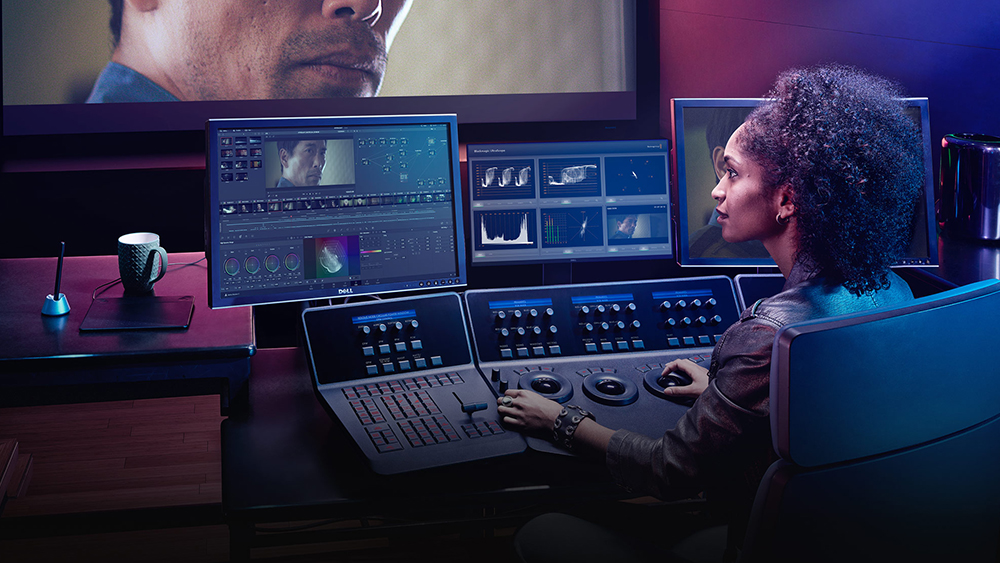
AI can now identify the best takes by analyzing framing, focus, and audio clarity. It can trim silences automatically, removing the ums and ahs that clutter dialogue. Multi-camera footage can be synced effortlessly, reducing hours of manual alignment work. This technological leap matters profoundly for pacing because when AI handles the grunt work, the human editor is freed to focus exclusively on storytelling. Instead of spending three hours cutting out breath pauses, the editor has that time to adjust pacing, refine color grading that serves the narrative, and decide precisely when a cut should occur to maximize emotional impact. The emphasis shifts from filling every gap with motion to crafting deliberate, meaningful transitions.
The Visual Language: Mixed Aspect Ratios Go Mainstream
Modern video editing embraces multiple aspect ratios within a single project
The visual language of video is evolving, driven by the diversity of viewing platforms and audience expectations. The era of a strict 16:9 crop for everything is definitively over, and mixed aspect ratios are rapidly becoming industry standard. However, the key distinction in 2026 is that these formats are being used with greater intentionality and substance.
In the past, mobile phone footage shot in vertical orientation would be blurred in the background or stretched to fit the widescreen frame. Today, editors are embracing pillarbox and letterbox framing as narrative tools. A vertical shot of a character might be used to convey a cramped space or a feeling of being trapped. A switch to widescreen might signal a flashback or a grand reveal. This approach is not merely a technical gimmick but a sophisticated storytelling device. By allowing different aspect ratios to coexist in the same timeline and embracing the presence of black bars, editors are making the format itself an integral part of the narrative.
The Industry Shake-Up: Apple Acquires Motion VFX
This strategic move signals Apple's commitment to expanding creative tool ecosystems for substance-focused editing workflows, integrating AI capabilities directly into Final Cut Pro.
On the business side of the industry, a major development has captured attention: Apple has acquired Motion VFX. For those unfamiliar with the post-production landscape, Motion VFX was a powerhouse third-party developer for Final Cut Pro, creating plugins like mTracker and the Muzzle transitions. Their software was famous for high-end graphics and flashy transitions that defined the previous era of video editing.
This acquisition signals something deeper than Apple simply adding features to Final Cut Pro. It represents a strategic shift toward expanding creative tool ecosystems to accommodate the new workflow paradigm. The implications are significant. First, integration is key, with Apple likely focusing on incorporating AI capabilities directly into the timeline, emphasizing intuitive invisible tools rather than feature bloat. Second, the ecosystem approach suggests Apple aims to create a seamless pipeline from AI-generated rough cuts to nuanced substance-focused editing. Third, democratization remains central, as Apple's focus on user-friendliness indicates their belief that the future of editing lies in accessibility, allowing creators to concentrate on ideas rather than technical complexity. This acquisition is not about buying a flashy plugin company to make things flashier; it is about acquiring talent and technology to make sophisticated storytelling easier to execute within their ecosystem.
Frequently Asked Questions
Why is video editing slowing down?
Video editing is slowing down primarily because of audience fatigue. Viewers have become overwhelmed by hyper-fast editing styles and are now seeking more authentic, substance-driven content that allows for emotional connection and message processing.
How is AI changing video editing workflows?
AI is transforming video editing by automating time-consuming tasks like clip selection, silence trimming, and multi-camera synchronization. This allows editors to focus on creative decisions and storytelling rather than technical grunt work.
What are mixed aspect ratios in video editing?
Mixed aspect ratios refer to combining different frame formats like vertical (9:16), square (1:1), and widescreen (16:9) within a single video project. Editors use these combinations as narrative tools to convey meaning and emotion.
What does Apple's acquisition of Motion VFX mean for editors?
Apple's acquisition of Motion VFX signals a strategic focus on integrating AI capabilities and expanding creative tool ecosystems. This means editors using Final Cut Pro can expect more intuitive, streamlined workflows that emphasize creative storytelling over technical complexity.
The Takeaway: Quality Over Quantity of Cuts
The future of video editing is not determined by how many cuts can fit into a 60-second reel. Success will be measured by the impact created with fewer, more deliberate choices. The industry is moving toward an era where editing becomes invisible, AI handles the heavy lifting, and human focus centers on rhythm and emotion. The graphic-heavy template is not dead, but it has been demoted. It now serves as a tool to highlight substance rather than serving as the substance itself.
In 2026, the most effective editors are not the fastest clickers; they are the best listeners, attuned to the rhythm of audio, the needs of the audience, and the soul of the story. This shift represents a maturation of the medium, moving beyond novelty toward genuine connection and lasting engagement.
What are your thoughts on the slowdown of editing styles? Are you embracing AI rough cuts or sticking to the manual process?
Share your experience in the comments below