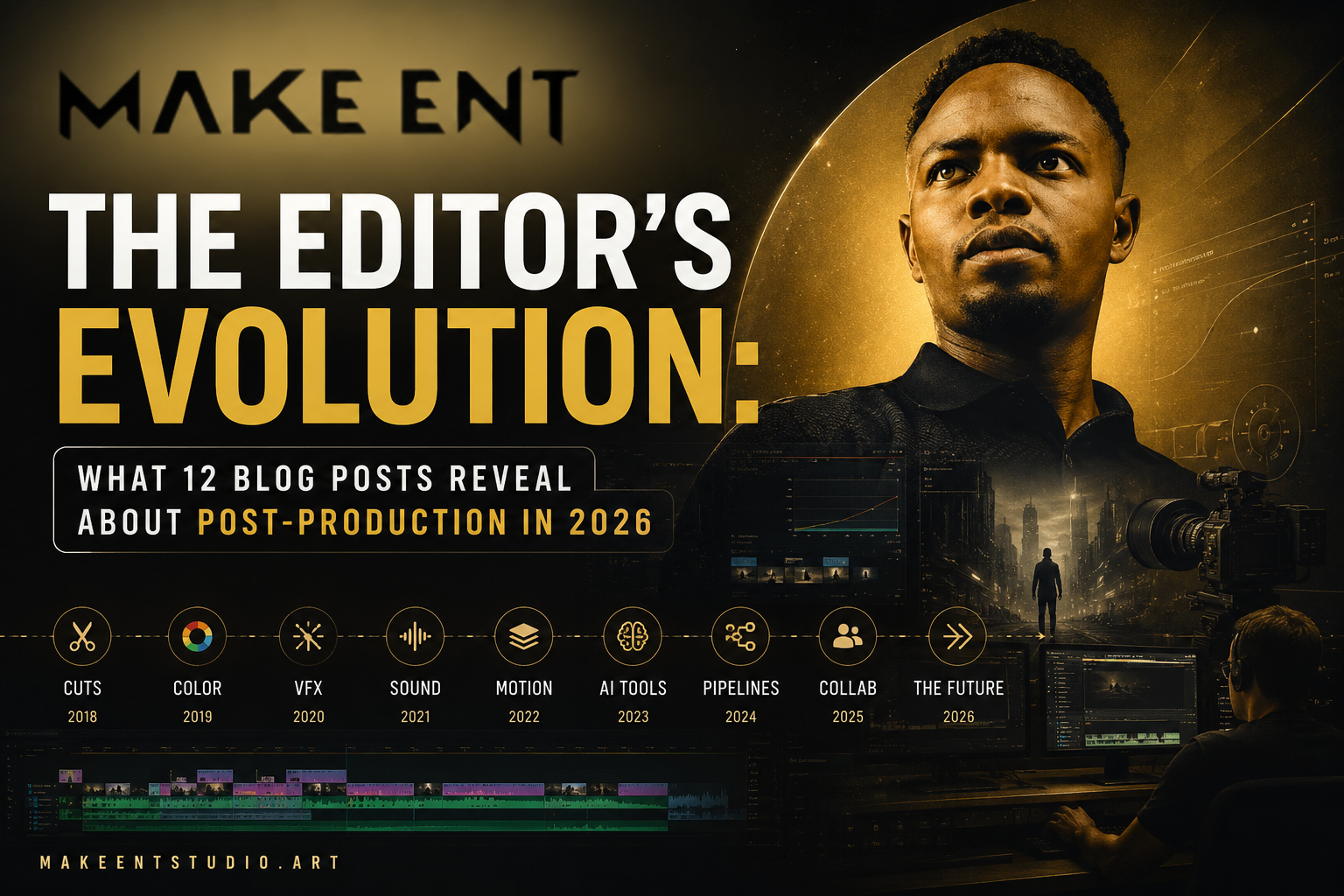
The Editor's Evolution: What 12 Blog Posts Reveal About Post-Production in 2026
Key Takeaway: Over 12 in-depth articles, MAKE ENT STUDIO has documented the most transformative period in video editing history. From AI-powered rough cuts to the rise of virtual cinematography, this retrospective reveals a clear pattern: the editor's role is evolving from technician to visionary director.
Introduction: A Year of Unprecedented Change
If you had told a video editor in 2020 that within six years, artificial intelligence would be generating cinematic footage from text prompts, automating rough cuts, and even suggesting editing decisions, they might have laughed. Yet here we are. The 12 blog posts published on the MAKE ENT STUDIO blog represent more than just individual articles. They form a comprehensive chronicle of an industry in transformation.
At the heart of this evolution is a simple but profound shift: video editing is no longer about cutting film. It is about orchestrating stories.
From the rise of AI-powered tools like Claude and Higgsfield to the enduring dominance of DaVinci Resolve, the common thread across every article is clear. The editor's toolkit has expanded beyond recognition. But so has the editor's responsibility. As technology handles the mechanical, the human editor must focus on the emotional, the narrative, and the soul of the story.
"The software is a brush. The artist is the hand that holds it. Choose the brush that feels right, then paint like your life depends on it."
-- MAKE ENT STUDIO Editorial Philosophy
The 12 Posts: A Retrospective
Each of the 12 blog posts tackles a distinct aspect of modern post-production. Together, they paint a complete picture of where the industry stands and where it's heading.
1. The Great Unplugging: Why Video Editing is Slowing Down
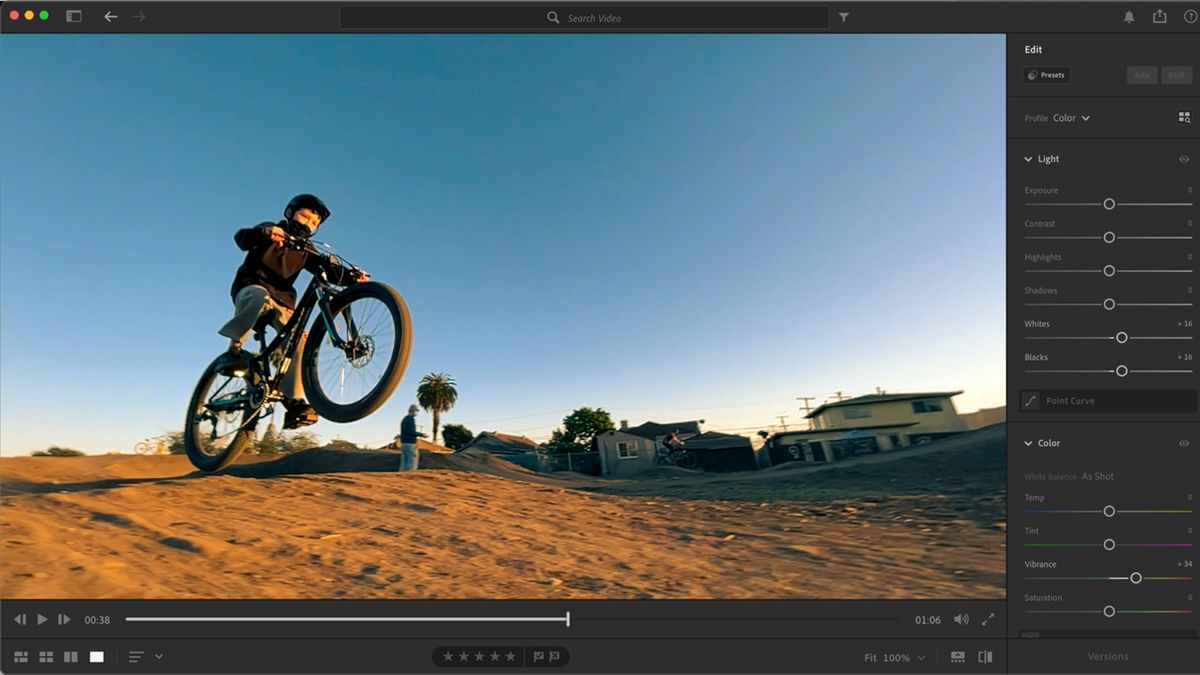
Published: August 17, 2026*
This foundational piece set the tone for the entire blog series. It argued that the hyper-fast, graphic-heavy editing style that dominated the last decade is giving way to substance-driven storytelling. Audience fatigue, not technological limitation, is driving this shift.
Key Insight: The future of editing is not about how many cuts you can make. It is about how much impact you can create with fewer, more deliberate choices.
The post explored three major developments:
- AI-driven rough cuts freeing editors for creative work
- Mixed aspect ratios becoming mainstream narrative tools
- Apple's acquisition of Motion VFX signaling a shift toward integrated creative ecosystems
Read the full article: The Great Unplugging
2. DaVinci Resolve AI Tools: The Ultimate Guide
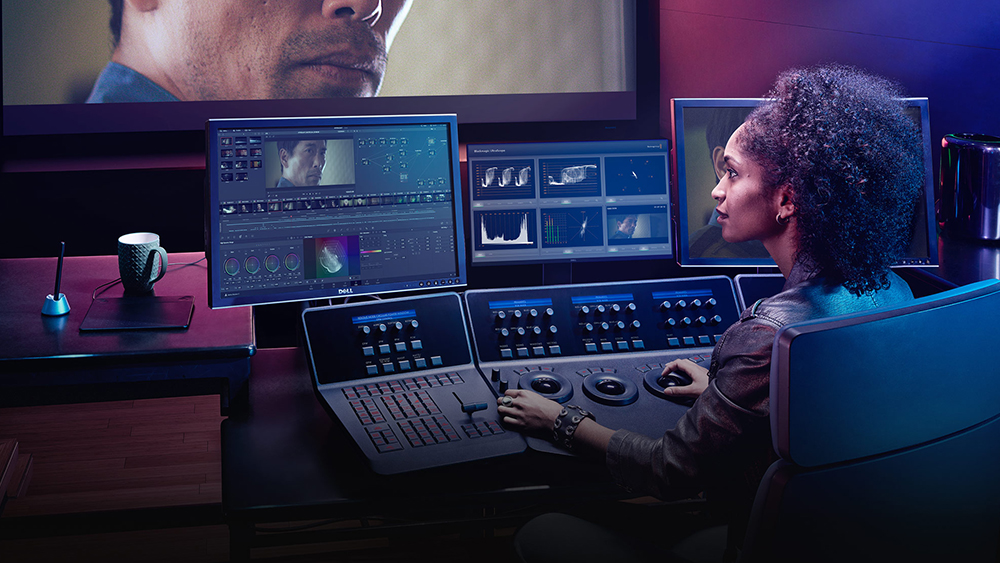
Published: August 2, 2026*
This comprehensive guide documented the AI-powered features transforming Blackmagic Design's flagship software. From IntelliSearch to the AI Speech Generator, the post showed how Resolve has evolved from a color grading tool into a complete AI-augmented post-production suite.
Key Insight: DaVinci Resolve AI tools are not just about automation. They are about democratizing professional-grade post-production. Features like AI Face Age Transformer and AI CineFocus put Hollywood-level capabilities in the hands of independent creators.
The post also highlighted Resolve's new Photo page, which brings node-based color grading to still photography. This move blurs the line between video and photo post-production.
Read the full article: DaVinci Resolve AI Tools
3. Why Camera Dollies Feel So Cinematic
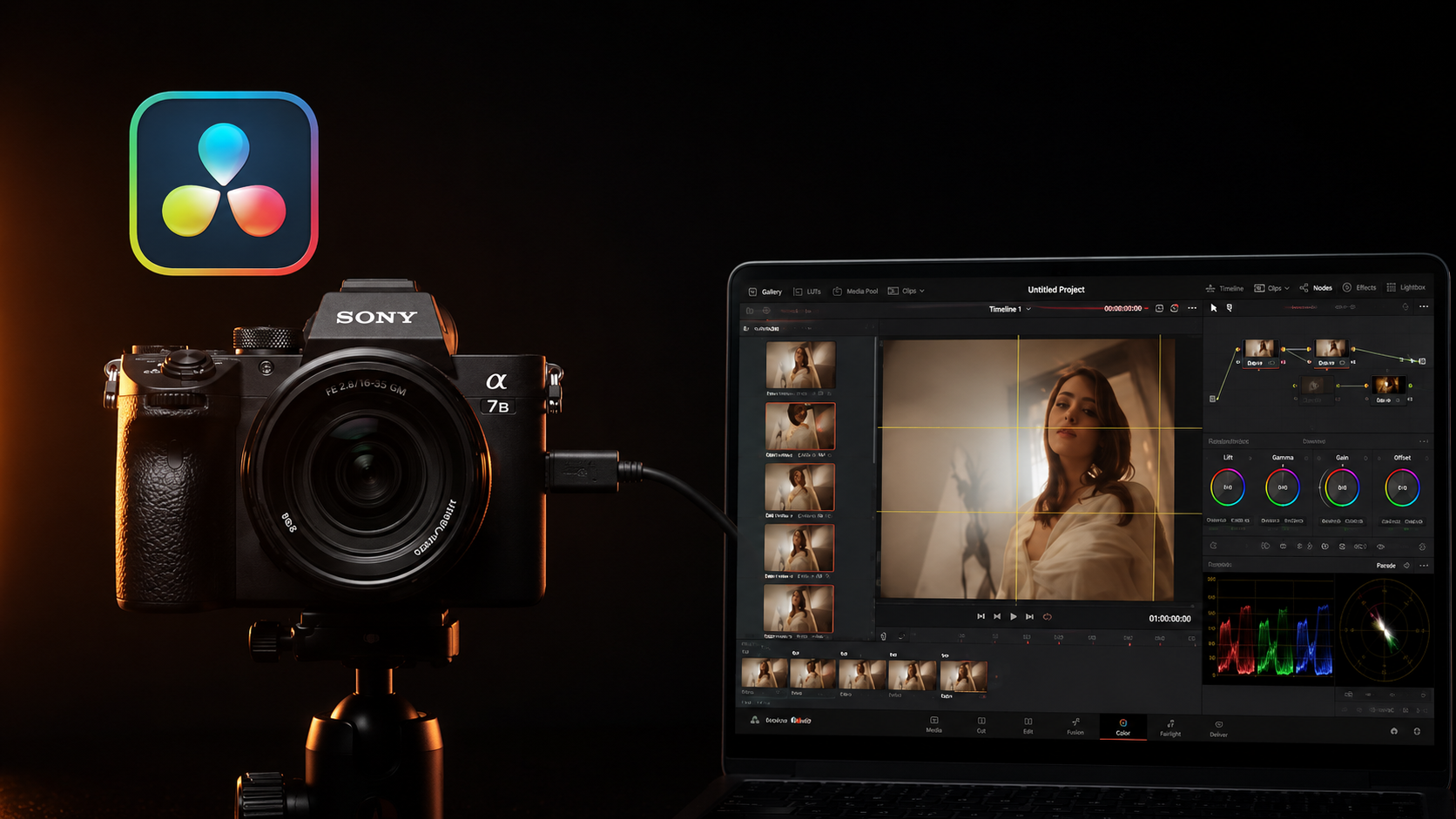
Published: July 29, 2026*
This piece bridged the gap between traditional cinematography and virtual production. It explained why physical camera movement, specifically dolly shots, creates emotional resonance in ways that digital zooms cannot replicate.
Key Insight: Parallax, not technology, is what makes a dolly shot feel cinematic. When the camera moves through space, objects at different distances appear to move at different speeds, mimicking how humans naturally perceive depth.
The post also included a practical guide to creating cinematic dolly moves inside DaVinci Resolve Fusion, proving that these principles apply equally to virtual cameras.
Read the full article: Why Camera Dollies Feel So Cinematic
4. DaVinci Resolve: The Complete Video Editor's Guide
Published: July 26, 2026*
This comprehensive guide served as a masterclass in using DaVinci Resolve for professional post-production. It covered everything from hardware requirements to advanced color grading techniques.
Key Insight: Resolve's unique "Pages" system (Media, Cut, Edit, Fusion, Color, Fairlight, Deliver) creates a stage-based workflow that reduces clutter and encourages focused, efficient editing.
The post also compared the free version to the Studio version, noting that the free version offers more features than many paid alternatives. This is a democratizing force in professional post-production.
Read the full article: DaVinci Resolve Complete Guide
5. Tom Holland's Incredible 2026
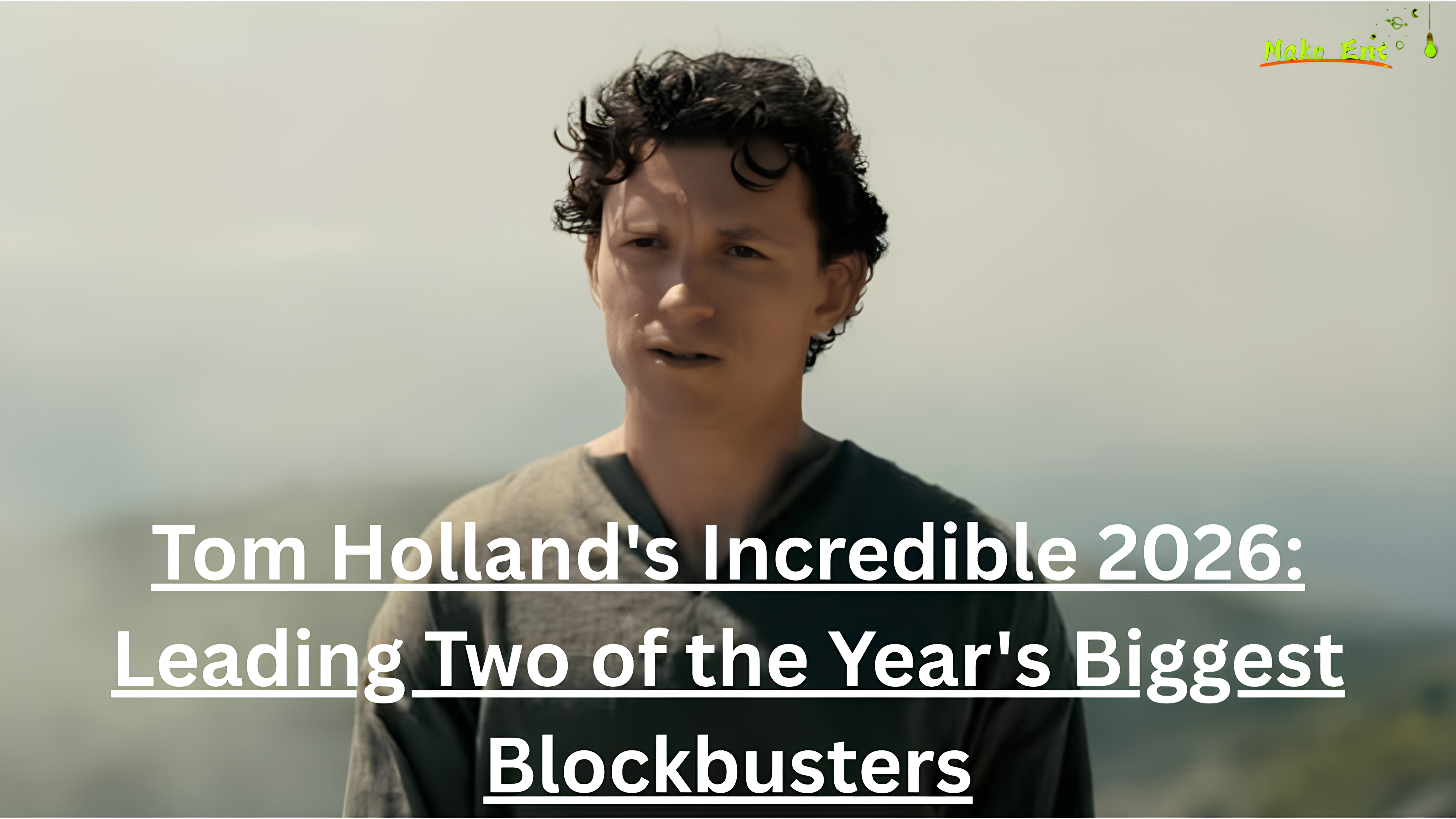
Published: July 25, 2026*
This article took a departure from technical topics to explore the intersection of performance and post-production. It covered Tom Holland's unprecedented year, starring in both Christopher Nolan's The Odyssey* and Spider-Man: Brand New Day*.
Key Insight: The scheduling crisis that nearly prevented Holland from making both films highlights the complex logistics that underpin modern blockbuster production. It also shows how post-production schedules must adapt to accommodate actor availability.
The post also explored the role of Zendaya and Jon Bernthal in Holland's career. This serves as a reminder that filmmaking is ultimately a collaborative art.
Read the full article: Tom Holland's Incredible 2026
6. How 3D Animation Is Being Revolutionized by AI
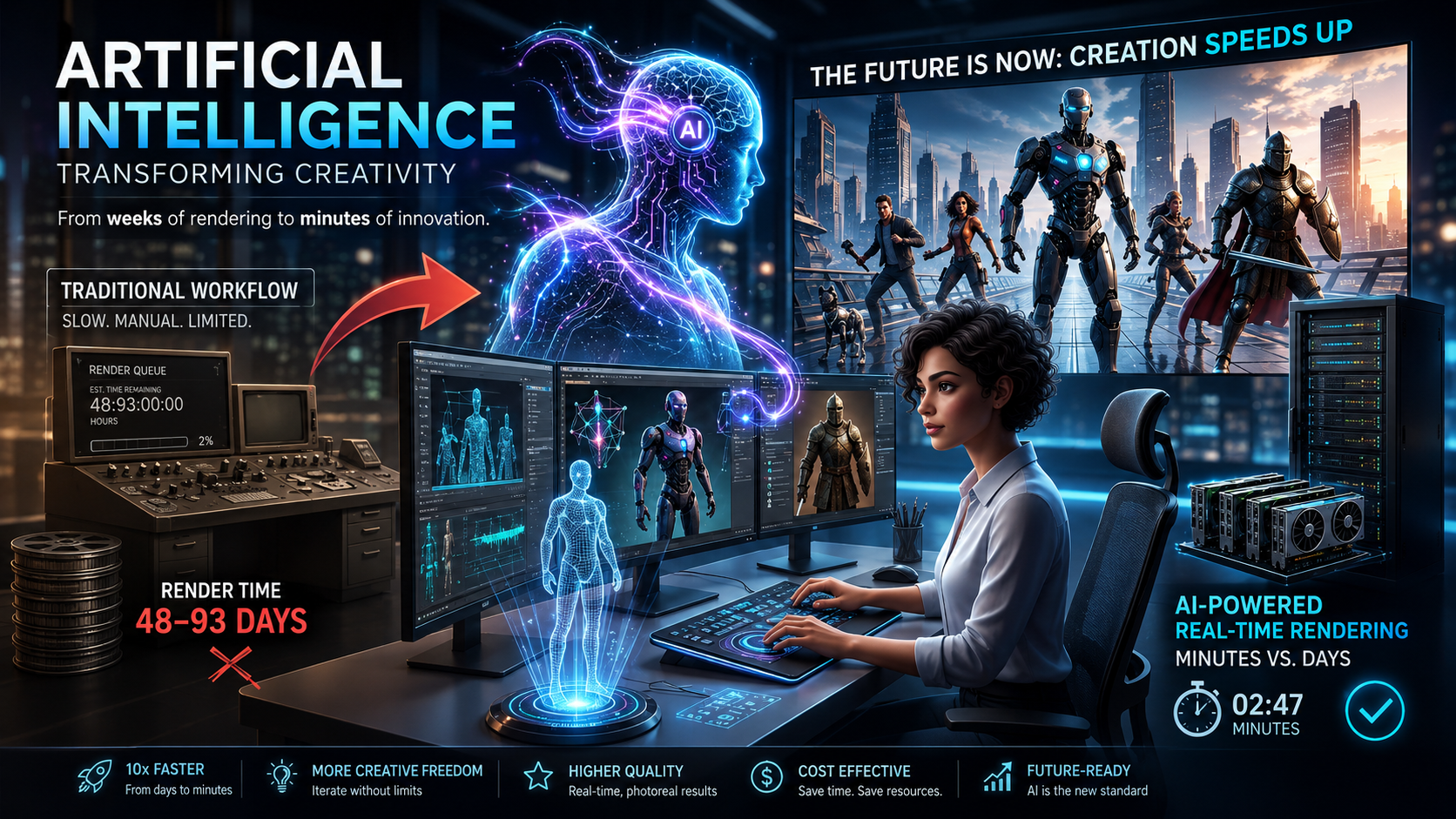
Published: July 25, 2026*
This deep dive into AI-powered 3D animation documented the collapse of traditional animation workflows. Technologies like Neural Radiance Fields (NeRF) and text-to-3D generation are compressing workflows that once took weeks into hours.
Key Insight: AI is not replacing 3D animators. It is supercharging them. The tools available in 2026 allow animators to focus on creativity rather than technical labor.
The post included a comparison of AI animation tools like Wonder Dynamics, Luma AI, and CSM, along with practical advice for animators looking to integrate AI into their workflows.
Read the full article: How 3D Animation Is Being Revolutionized by AI
7. DaVinci Resolve vs. Adobe Premiere Pro in 2026
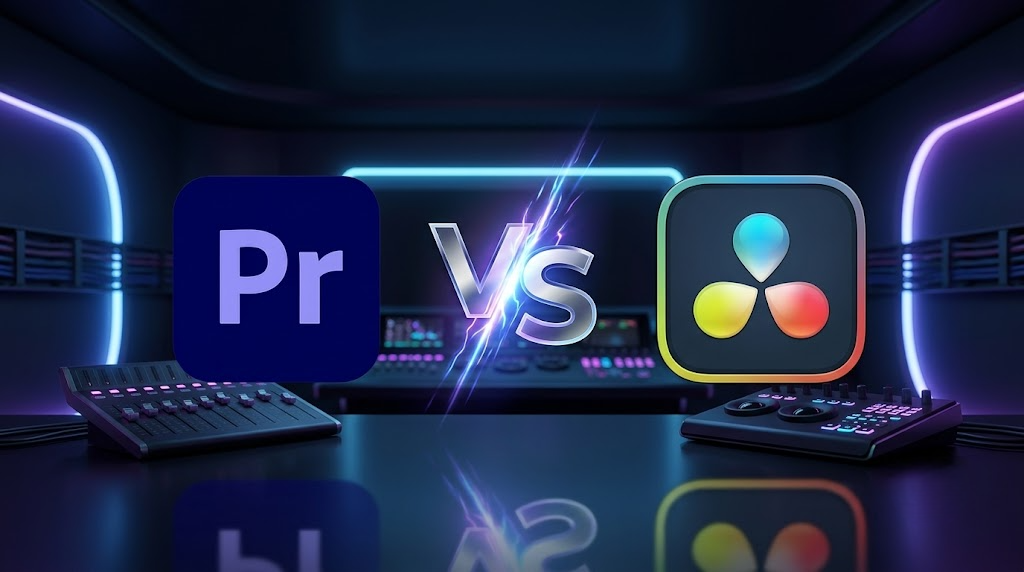
Published: July 22, 2026*
This comprehensive comparison examined the two dominant NLEs (Non-Linear Editors) in the professional market. It covered user interface, performance, color grading, motion graphics, audio, AI features, collaboration, and pricing.
Key Insight: There is no universal champion. Premiere Pro excels in motion graphics and Adobe ecosystem integration, while Resolve dominates in color grading, audio post-production, and value for money.
The post concluded with a practical recommendation guide based on user type:
- Filmmakers: DaVinci Resolve
- Motion Graphics Designers: Premiere Pro + After Effects
- Beginners on a Budget: DaVinci Resolve (Free)
Read the full article: DaVinci Resolve vs. Adobe Premiere Pro
8. MAKE ENT STUDIO: Where Music Meets Motion
Published: July 20, 2026*
This article introduced the studio behind the blog. It documented Muya Allan's journey from recording artist to motion designer and video editor, and explained how musical training directly informs editing and motion design.
Key Insight: Understanding song structure, downbeats, and emotional arcs as a songwriter allows an editor to cut frames with rhythmic precision that non-musicians often miss.
The post also listed the studio's services, including cinematic video editing, motion graphics, color grading, sound design, and VFX compositing. All are delivered with a musician's touch.
Read the full article: MAKE ENT STUDIO: Where Music Meets Motion
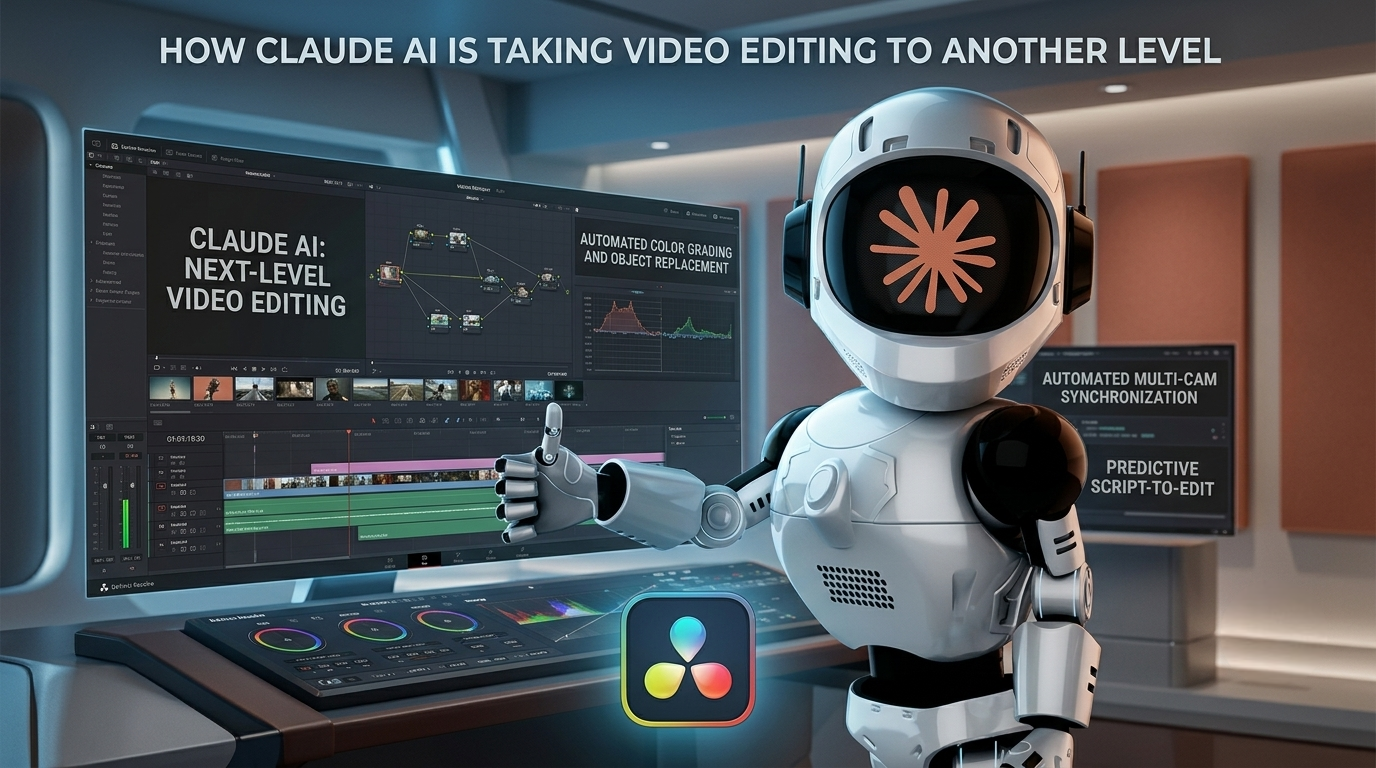
9. How Claude Is Revolutionising the Video Editing World
Published: July 20, 2026*
This article explored how language models like Claude are transforming the editorial layer of video production. This includes the decisions about what to cut, where to caption, and how to pace a story.
Key Insight: Claude is not replacing Blackmagic's Neural Engine, which handles pixel-level work. Instead, Claude sits on top of it as the layer that understands narrative and intent.
The post highlighted DavinciClaude, a plugin that lets editors describe what they want in plain language and have Claude execute it directly on the timeline. It also explored Model Context Protocol (MCP) integrations that connect Claude to Resolve's scripting API.
Read the full article: How Claude Is Revolutionising Video Editing
10. Mastering VFX & Motion Graphics in Video Editing
Published: July 19, 2026*
This practical guide covered the essential techniques and tools for visual effects and motion graphics. It distinguished between VFX (integrating live-action with generated imagery) and motion graphics (animated graphic elements).
Key Insight: The best videos blend both. Motion graphics create brand identity and visual hooks, while VFX amplifies emotional impact and professional polish.
The post included a breakdown of essential software, five VFX techniques every editor should know, motion graphics principles, and a streamlined workflow from concept to final render.
Read the full article: Mastering VFX & Motion Graphics
11. The Invisible Art: Why Movie Editing is the Soul of Cinema

Published: July 19, 2026*
This philosophical piece argued that editing is the most important, yet least recognized, craft in filmmaking. It explored the Kuleshov Effect, the architecture of emotion, and the rhythm of the cut.
Key Insight: A film is written three times: once on paper (script), once on set (production), and once in the editing room (post-production). The editor is the final, most important storyteller in the cinematic chain.
The post cited Walter Murch's "Rule of Six," where emotion ranks above all other considerations in editing decisions. It also used the shower scene from Psycho* as a masterclass in how editing can create violence through suggestion.
Read the full article: The Invisible Art of Movie Editing
12. How Higgsfield is Rewriting the Rules of Cinematic Editing
Published: July 19, 2026*
This article examined the explosive rise of Higgsfield, an AI video generation platform that hit a $300 million annual revenue run rate just 11 months after launch.
Key Insight: Higgsfield isn't a replacement for the editor's eye. It is a powerful new collaborator in the director's chair. Features like Start & End Frames, Soul ID, and Cinema Studio compress the entire production pipeline into a single, unified environment.
The post also addressed the controversies surrounding Higgsfield, including misleading marketing and content moderation failures. This highlights the need for responsible AI adoption.
Read the full article: How Higgsfield is Rewriting Cinematic Editing
The Common Themes: What the 12 Posts Reveal
Reading these 12 posts as a cohesive body of work reveals several recurring themes that define the state of video editing in 2026.
1. AI Is an Accelerator, Not a Replacement
Across every article, one message is consistent: AI is not replacing editors. It is accelerating their workflows and expanding their creative possibilities. From Claude's narrative intelligence to Resolve's Neural Engine, AI handles the mechanical so editors can focus on the artistic.
2. The Editor's Role Is Evolving
The editor of 2026 is no longer just a technician. They are a director, a composer, and a storyteller. The rise of AI-powered tools means editors must now understand not just how to cut, but why to cut. This includes the emotional and narrative reasoning behind every decision.
3. Democratization of Professional Tools
The free version of DaVinci Resolve offers more features than many paid alternatives. AI platforms like Higgsfield and Claude are making cinematic-quality post-production accessible to solo creators. The barrier to entry has never been lower.
4. Integration Over Fragmentation
The industry is moving toward integrated workflows. Resolve combines editing, color, VFX, and audio in one application. Higgsfield compresses the entire production pipeline. Claude connects to Resolve's API. The days of juggling a dozen separate tools are ending.
5. The Human Element Remains Essential
Despite the technological advances, every post emphasizes that human judgment remains irreplaceable. AI can generate footage, apply presets, and automate tasks, but it cannot feel emotion, take creative risks, or understand cultural context.
The Editor's Toolkit in 2026: A Summary
DaVinci Resolve / Adobe Premiere Pro
Claude (via DavinciClaude)
Fusion / After Effects / Higgsfield
Luma AI / CSM / Wonder Dynamics
DaVinci Resolve (Industry Standard)
Fairlight (Built into Resolve)
What This Means for Editors
For the working editor, the implications of these 12 posts are profound.
You Must Embrace AI or Be Left Behind
The tools are here. Claude can build rough cuts. Higgsfield can generate footage. Resolve's Neural Engine can handle rotoscoping and stabilization. Editors who resist these tools will find themselves competing against those who use them to work faster and create better results.
Focus on Storytelling, Not Technical Execution
As AI handles the mechanical tasks, the editor's value shifts to creative decision-making. Pacing, emotion, narrative structure, and client relationships become even more important. The editor of the future is a storyteller first and a technician second.
The Learning Curve Is Worth It
The tools may seem daunting, but the payoff is enormous. The free version of Resolve offers professional-grade capabilities. Claude costs a fraction of an assistant editor's salary. The barrier to entry has never been lower, and the potential for creative expression has never been higher.
Collaboration Is Key
The 12 posts consistently emphasize collaboration: between editors and AI, between Resolve and Fusion, between Premiere and After Effects. The editor who masters integration across tools and platforms will be the editor who thrives.
"The editors who learn to direct these tools well are going to move faster than the ones who don't, without losing what makes an edit actually good: a human deciding what matters."
-- How Claude Is Revolutionising the Video Editing World
The Future: Where Do We Go From Here?
If the 12 posts document where we are, they also hint at where we're going. The trends are clear:
Realtime AI Rendering
As noted in the 3D animation post, real-time AI rendering is already on the horizon. By 2027, render farms may become obsolete, with AI generating final-quality images in seconds.
Emotional AI Animation
The same post predicts that by 2028, AI will be capable of generating characters that express emotions naturally. This will blur the line between animation and live-action even further.
Full Film Generation
By 2030, some predict text-to-full-length film generation. While this may seem far-fetched, consider that text-to-3D generation went from experimental to production-ready in just two years.
The Editor as Director
The role of the editor will continue to evolve toward creative leadership. As AI handles the technical, editors will increasingly be seen as co-directors, responsible for the emotional arc and narrative structure of the final product.
Conclusion: The Editor's Golden Age
It is a paradox. The tools that seem to threaten the editor's role are the very tools that make this the most exciting time in video editing history. Never before has so much creative power been available to so many.
The 12 posts on the MAKE ENT STUDIO blog are not just articles. They are a roadmap for navigating this transformation. They document a profession in flux, but they also celebrate the enduring importance of the editor's craft.
Because no matter how sophisticated the AI, how powerful the software, or how impressive the technology, the heart of filmmaking remains the same:
A human being, telling a story that matters.
The editor's job is to ensure that story reaches the audience in the most powerful way possible. And that job, perhaps more than ever, is one of the most important in the creative world.
What has your editing journey looked like in 2026?
Share your experience in the comments below or explore the 12 posts that inspired this article.
Frequently Asked Questions
What are the 12 blog posts referenced in this article?
The 12 posts cover a range of topics including AI-powered editing, DaVinci Resolve tutorials, motion graphics, VFX, camera movement, industry news, and studio philosophy. They were published between July 19 and August 17, 2026.
What is the main theme across all 12 posts?
The consistent theme is that video editing is evolving from a technical craft to a creative discipline, with AI serving as an accelerator rather than a replacement for human editors. The editor's role is shifting toward storytelling, direction, and creative decision-making.
Which software is most recommended across the posts?
DaVinci Resolve is the most frequently recommended software, praised for its free version, professional color grading, integrated Fusion VFX, and Fairlight audio. The posts also cover Adobe Premiere Pro, After Effects, and AI platforms like Higgsfield and Claude.
How is AI changing video editing according to these posts?
AI is automating rough cuts, generating footage from text prompts, applying cinematic presets, maintaining character consistency, removing artifacts, and assisting with color grading. This allows editors to focus on creative decisions rather than technical execution.
Where can I read all 12 blog posts?
All 12 posts are available on the MAKE ENT STUDIO blog at makeent.netlify.app/blog. You can also subscribe to the RSS feed for updates on future articles.
Related Resources
Services
Professional video editing, motion graphics, color grading, sound design, and VFX compositing.
Learn more →Portfolio
View examples of cinematic editing, commercial work, and motion graphics projects.
View work →About
Learn about MAKE ENT STUDIO's founder, philosophy, and approach to post-production.
Read more →Last updated: August 17, 2026 | MAKE ENT STUDIO Post-Production Guide*