How Higgsfield is Rewriting the Rules of Cinematic Editing
The editing bay has long been the domain of the patient few—a space defined by expensive software, specialized hardware, and the painstaking, frame-by-frame work that transforms raw footage into a story. It's a world where a single minute of professional video can cost thousands of dollars and require a small army of specialists. For independent creators, agencies, and even established studios, the barrier to cinematic quality has always been steep, both financially and technically.
That world is changing. Rapidly.
Enter Higgsfield, an AI video generation platform that has grown at a truly astonishing pace. Just eleven months after its launch, the San Francisco-based startup hit a $300 million annual revenue run rate a testament to the immense demand for AI-powered video creation tools. But this explosive growth raises a critical question for the creative industry: is Higgsfield coming to replace human editors, or is it building a new kind of toolkit that empowers them to achieve more than ever before?
The answer, as we'll explore throughout this comprehensive guide, is far more interesting than a simple binary. Higgsfield isn't a replacement for the editor's eye; it's a powerful new collaborator in the director's chair. Whether you're a seasoned filmmaker or a content creator exploring new frontiers, understanding this platform will reshape how you approach cinematic storytelling.
At Make Entertainment, we've been closely following the AI revolution in post-production. Our video production services are evolving to integrate these powerful tools—because we believe the future belongs to editors who embrace AI as a collaborator, not a competitor.
The Evolution of Video Editing: From Linear to AI-Powered
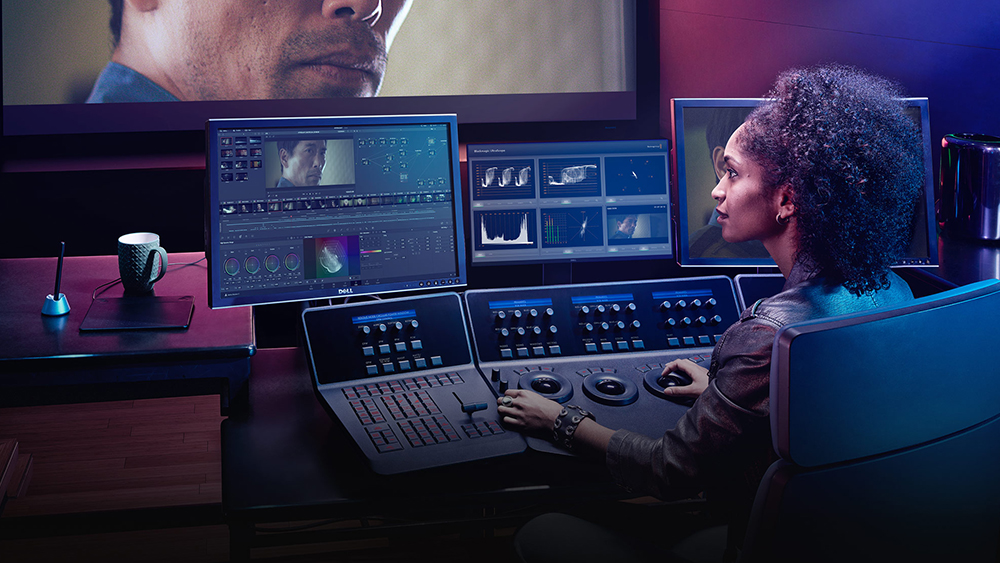
The Traditional Editing Workflow: Expensive and Fragmented
To understand the significance of Higgsfield, we must first appreciate the complexity of traditional video production. A professional workflow typically involves:
- Pre-production: Storyboarding, scripting, casting, location scouting
- Production: High-end cameras, lighting rigs, audio equipment, crews
- Post-production: Multiple software tools for editing, color grading, VFX, sound design, and rendering
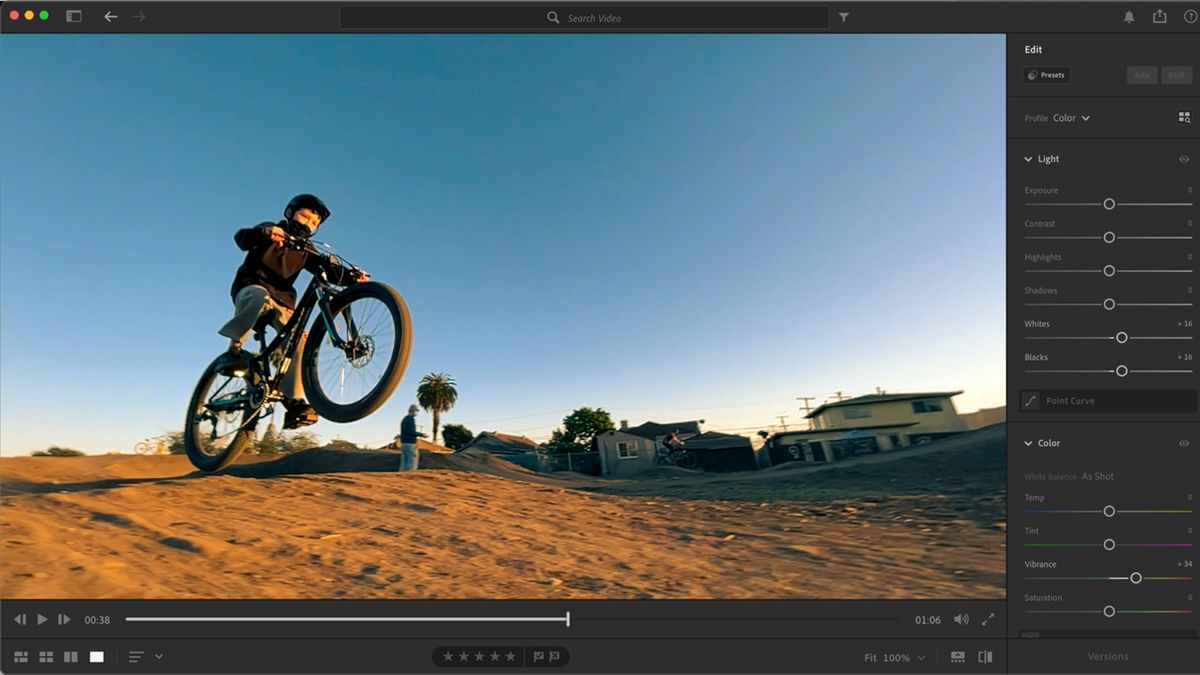
Each stage requires specialized skills and expensive tools. Adobe Premiere Pro, Final Cut Pro, DaVinci Resolve, and After Effects are industry standards—but they come with steep learning curves and subscription costs that add up quickly.
Consequently, many creators spend more time wrestling with software than actually telling stories. The technical friction is immense, and it often stifles creative experimentation. A single edit that should take minutes can stretch into hours simply because the tools are complex and unforgiving.
The Rise of AI Video Generation
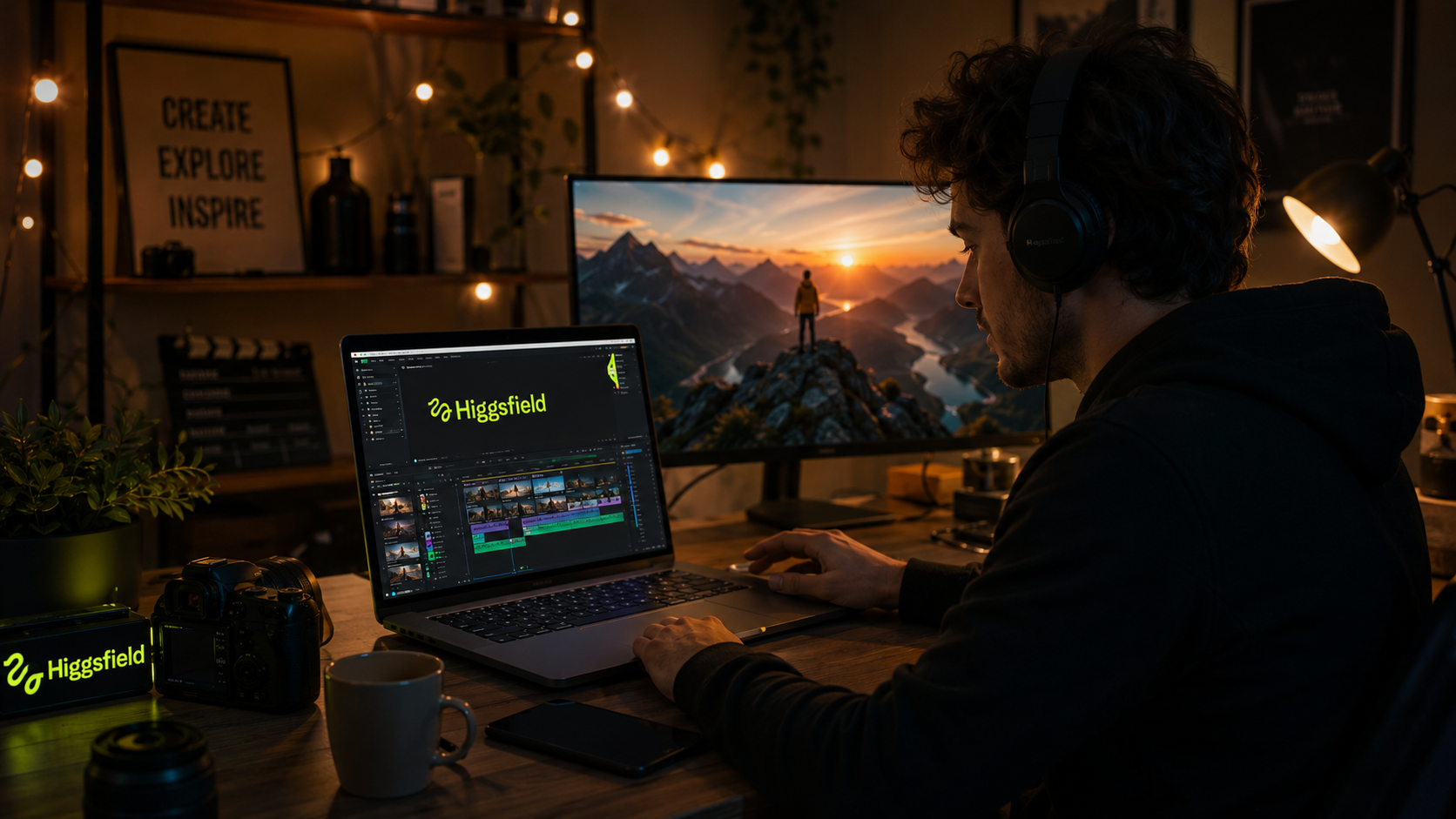
The emergence of AI video generation has shifted this paradigm. Platforms like Higgsfield, Sora, Runway, and Pika are compressing the entire production pipeline into unified, accessible environments. Instead of mastering a dozen different tools, creators can now generate, edit, and polish videos from a single interface.
Furthermore, AI models are becoming increasingly sophisticated. Early generations produced random, often nonsensical clips. Today's models understand narrative structure, camera movement, lighting, and even emotional tone. They can interpret a simple text prompt like "a dramatic sunset over a futuristic city"* and generate a cinematic sequence that rivals professional stock footage.
This evolution is precisely what makes Higgsfield such a compelling case study. It represents the convergence of generative AI and traditional editing, creating a new hybrid workflow that prioritizes creative direction over technical execution. The editor is no longer a technician wrestling with software; they're a director commanding an AI crew.
Higgsfield's Core Features: A Deep Dive
Higgsfield offers a suite of tools designed to handle every stage of the video production process. Let's break down its most impactful features and explore how they empower editors.
1. Start & End Frames: Intent-Driven Storytelling
One of Higgsfield's most innovative features is Start & End Frames. Instead of generating random clips based on a text prompt, creators can upload a beginning image and an ending image. The AI then generates a cinematic sequence that connects the two visually and narratively.
This transforms the creative process from simple generation to intent-driven storytelling. The editor is no longer just cutting; they're setting the tone and directing the narrative flow from the first to the final frame. It's the difference between throwing paint at a canvas and painting with a clear vision of the final image.
"It's about moving from random, isolated clips to sequence, flow, and payoff."*
— Higgsfield AI Team
Practical application: Imagine you're creating a product launch video. You can upload a wide shot of the product's packaging as the start frame and a close-up of the product in use as the end frame. Higgsfield generates a smooth, cinematic transition that builds anticipation and delivers a satisfying reveal all without manual keyframing. This feature alone can save hours of tedious work.
2. Soul ID: Consistent Character Generation
Maintaining character consistency across multiple scenes has always been a challenge in AI video generation. Characters often change appearance between frames, breaking immersion and undermining brand identity. This is known as the "consistency problem," and it's been a major barrier to professional adoption of AI video.
Soul ID solves this problem by allowing creators to train a persistent identity from reference photos. Once trained, this identity is automatically applied across both image and video generation. This ensures a spokesperson, brand ambassador, or animated character looks the same in every asset whether they're appearing in a single scene or across an entire campaign.
Why this matters for editors: Brand consistency is non-negotiable for professional content. Soul ID eliminates the need for manual adjustments and reshoots, saving significant time and resources. It also opens up new creative possibilities, allowing editors to generate entire sequences featuring the same character without worrying about visual continuity.
3. Cinema Studio: 70+ Cinematic Presets
Higgsfield's Cinema Studio offers a library of over 70 cinematic presets that control camera movements, lighting, color grading, and pacing. These presets range from "Luxury Ad" (slow, sweeping shots with warm tones) to "Gen-Z TikTok Edit" (fast-paced, dynamic, and high-contrast).
For instance, an editor working on a travel vlog can apply the "Wanderlust" preset to instantly achieve a dreamy, nostalgic aesthetic. A commercial editor can use the "Product Hero" preset to emphasize texture and detail. A documentary filmmaker might choose the "Cinema Verité" preset for a raw, handheld feel.
The presets are fully customizable, allowing editors to fine-tune every parameter. This balances speed with creative control a combination that traditional software often fails to deliver. Instead of spending hours tweaking color curves and camera settings, editors can start with a professional-grade look and adjust from there.
4. Mixed Media: Instant Restyling
The Mixed Media feature allows creators to upload 3-15 second raw clips and apply 30+ presets to instantly restyle the footage. Whether you want to transform a standard interview into a vintage film noir scene or a corporate B-roll into a vibrant music video aesthetic, Mixed Media handles it with a single click.
This feature is designed for "speed without sacrificing creative control." Editors can experiment with multiple styles in minutes, testing different emotional tones and visual approaches before committing to a final cut. It's like having a full color grading suite and VFX studio compressed into a single, intuitive interface.
Practical application: You've shot a talking-head interview in a plain office. With Mixed Media, you can apply a "Cyberpunk" preset to give it a futuristic, neon-lit feel, a "Vintage Film" preset for a warm, nostalgic look, or a "Documentary" preset for a clean, professional aesthetic all in seconds. This allows for rapid iteration and creative exploration.
5. End-to-End Workflow Integration
Perhaps Higgsfield's greatest strength is its ability to compress the entire production pipeline into a single, manageable environment. Instead of a fragmented workflow involving storyboarding software, a video editor, a color grading suite, and a separate VFX tool, the vision is a unified space.
A practical workflow on the platform might look like this:
- Visualize: Use Sketch-to-Video to quickly turn rough drawings into animatics to test pacing and composition.
- Generate: Leverage top-tier models like Sora 2 or Kling 3.0 to generate core footage from text prompts.
- Direct: Use the Cinema Studio and its library of presets to control camera movements and lock in a specific tone.
- Polish: Use the Sora 2 Enhancer to remove AI artifacts like micro-flicker, and Higgsfield Upscale to elevate older, non-AI footage to match the quality of new generations.
- Maintain Consistency: Employ Soul ID to keep characters consistent across scenes.
- Package for Distribution: Use Marketing Studio to generate ad variants from a product URL and Ads 2.0 export templates to size content for different platforms.
This end-to-end integration empowers solo creators to achieve what once required a full production team and allows agencies to produce studio-style ads at a fraction of the cost. It's democratizing cinematic quality in ways we've never seen before.
If you're interested in seeing how these tools translate into real-world results, explore our portfolio to see projects that blend traditional editing craft with cutting-edge AI.
The Controversies: Higgsfield's PR Nightmares
While Higgsfield's technology is undeniably impressive, the company's explosive growth has not been without significant controversy. Understanding these issues is essential for any editor considering adoption of the platform. As with any disruptive technology, the hype comes with complications.
The Misleading Marketing Campaign
In early 2025, a Forbes investigation revealed that Higgsfield's marketing team shared "media kits" with creators containing stock video templates from sites like Envato, with Higgsfield's logo pasted over them. These templates were misleadingly presented as AI-generated outputs a clear misrepresentation that damaged the company's credibility.
The company's chief strategy officer, Mahi de Silva, later admitted this was a mistake. He stated that the marketing team had acted hastily and that the company was implementing stricter review processes for all external materials. While this admission was a step in the right direction, it raised questions about the company's internal governance and commitment to transparency.
The Racist and Unsavory Content
More troublingly, Higgsfield also shared Google Drive folders filled with "racist and obscene videos featuring popular children's characters" and nonconsensual deepfakes of public figures. De Silva confirmed these were created by the marketing team and external creators as promotional material.
"It is absolutely not representative of our values, and it was a mistake."*
— Mahi de Silva, Chief Strategy Officer, Higgsfield
The company later pledged to implement a review process for all external materials and to take a more responsible approach to content moderation. Nonetheless, the damage to its reputation was significant, raising important questions about AI ethics, content governance, and the responsibilities of AI platforms.
For creators and editors, this serves as a cautionary tale. When adopting any new tool, it's essential to understand the company behind it, their ethical standards, and their track record. The technology may be impressive, but trust is earned through transparency and responsibility.
The Growing Pains of Scale
Beyond brand damage, Higgsfield has struggled with its product as it scaled. Some users who signed up for heavily discounted "unlimited" plans faced crippling throttling of their generation speeds, making the app "unusable" unless they bought more credits.
The company attributed these slowdowns to a combination of "heavy traffic" and a surge of fraudulent bot activity, claiming it had shut down around 40,000 accounts and refunded $1.35 million to impacted users. While these measures addressed the immediate crisis, they eroded user trust and highlighted the challenges of rapid scaling.
Nonetheless, Higgsfield's core technology remains compelling. The company has taken steps to address these issues, and its product roadmap suggests continued innovation. For editors, the question is whether the platform's benefits outweigh its risks—and whether the company can mature fast enough to realize its potential responsibly.
The Verdict: Accelerator, Not Replacement
So, after navigating the hype and the controversy, where does that leave us? Is Higgsfield "coming to beat editors?"
The evidence suggests a different story. The platform is clearly designed to replace the technical friction of traditional editing, not the creative judgment. It does the heavy lifting: the camera moves, the color grading, the technical polish. But it doesn't and can't replace the human soul of storytelling.
This is the key distinction. A human editor is still essential for:
- Emotional Intelligence: Knowing when a pause needs to linger a half-second longer to land an emotional beat. AI can detect sentiment, but it doesn't feel* it.
- Creative Risk-Taking: Breaking the rules for artistic effect—something AI optimizes against because it's trained on "what works."
- Strategic Direction: Understanding brand voice, audience psychology, and cultural context.
- Client Relations: Interpreting vague feedback like "make it pop" and translating it into actionable changes.
- Narrative Architecture: Structuring a story arc that resonates on a human level.
Higgsfield is building a suite of tools that turns the editor from a technician into a director. It empowers solo creators to achieve what once required a full production team, and allows agencies to produce studio-style ads at a fraction of the cost.
However, the company's "move fast and break things" approach has led to serious ethical missteps and product failures that risk eroding the trust it has built. Editors must weigh these risks against the platform's transformative potential.
At Make Entertainment, we believe in a balanced approach. We embrace AI tools like Higgsfield for their efficiency and creative potential, but we never lose sight of the human element that makes storytelling powerful. Our post-production services combine the best of both worlds: cutting-edge technology and timeless creative instincts.
The Future of Editing: Human + AI Collaboration
Looking ahead, the future of cinematic editing isn't a choice between human and machine it's a partnership. The editors who thrive will be those who learn to delegate technical tasks to AI while focusing their energy on what machines can't do: feel, intuit, and connect.
Here's what that future looks like:
- AI handles the "how" – generating footage, applying presets, removing artifacts
- Humans focus on the "why" – the emotional arc, the narrative payoff, the cultural resonance
- Iteration becomes instantaneous – editors can test dozens of variations in minutes
- Creativity becomes more accessible – solo creators can achieve studio-quality results
The question isn't whether AI will replace editors. The question is: will editors embrace AI to become more powerful storytellers?
Frequently Asked Questions (FAQs)
1. What is Higgsfield, and what does it do?
Higgsfield is an AI video generation and editing platform that compresses the entire video production pipeline into a single interface. It allows creators to generate footage from text prompts, apply cinematic presets, maintain character consistency, and polish final outputs all without needing traditional editing software. It's designed to make cinematic quality accessible to everyone, from solo creators to large agencies.
2. Can Higgsfield replace a human video editor entirely?
No. Higgsfield is designed to be an accelerator, not a replacement. While it automates technical tasks like camera movements, color grading, and generation, it cannot replicate human emotional intelligence, creative risk-taking, or strategic direction. Human editors remain essential for nuanced storytelling, client relations, and the artistic soul of a project.
3. What are Higgsfield's most notable features?
Key features include Start & End Frames for structured storytelling, Soul ID for character consistency, Cinema Studio with 70+ cinematic presets, Mixed Media for instant restyling, and the App Builder for creating custom AI applications without coding. Each feature is designed to reduce technical friction while expanding creative possibilities.
4. Is Higgsfield suitable for professional use?
Yes. Many agencies and professional creators use Higgsfield to produce studio-quality content at a fraction of traditional costs. However, editors should be aware of the platform's controversies and scaling issues before committing to it for critical projects. We recommend testing the platform thoroughly and reviewing the latest user feedback.
5. How much does Higgsfield cost?
Higgsfield offers multiple pricing tiers:
- Starter Plan: $9/month (120 credits)
- Pro Plan: $49/month (1,000 credits)
- Ultra Plan: $129/month (3,000 credits, parallel generation, full access)
The Starter plan is ideal for experimentation, while the Ultra plan is designed for professional production workflows.
6. How does Higgsfield ensure brand consistency?
Soul ID allows creators to train a persistent identity from reference photos, which is automatically applied across all generated images and videos. This ensures brand ambassadors, spokespeople, or characters remain visually consistent—eliminating the "character drift" that plagues many AI video tools.
7. What are the risks of using Higgsfield?
Editors should be aware of content moderation issues, potential scaling problems (like throttling), and the company's past marketing controversies. Always review the latest terms of service and user feedback before committing to a paid plan. As with any emerging technology, due diligence is essential.
8. Can I use my own footage with Higgsfield?
Absolutely. Higgsfield supports custom uploads and allows you to apply cinematic presets, upscaling, and restyling to your existing footage through the Mixed Media feature. This makes it a powerful addition to existing post-production workflows.
9. What types of videos is Higgsfield best for?
Higgsfield excels at short films, commercials, social media content, corporate videos, music videos, and product demonstrations—any content that benefits from cinematic polish and efficient workflows. It's particularly powerful for projects with tight deadlines or limited budgets.
10. How can I learn more about AI-powered editing?
Visit our blog for more insights into AI in filmmaking, editing techniques, and industry trends. We regularly publish guides, case studies, and expert interviews to help creators navigate the evolving landscape of video production.
Suggested Internal Links
To explore how AI is shaping the future of storytelling and marketing, check out these related posts:
- The Invisible Art: Why Movie Editing is the Soul of Cinema – A deep dive into the timeless principles of editing that every editor should master.
- Our Complete AI Video Production Services – See how we integrate cutting-edge AI into professional production pipelines.
- Cinematic Editing in the Age of AI – A broader look at how AI tools are changing the art of filmmaking.
- How to Create a Viral Ad Campaign Using AI – A practical guide to high-impact marketing with AI tools.
- Contact Us – Have questions about integrating AI into your workflow? Our team is ready to help.
Conclusion: The Future is Collaborative
Higgsfield is not the end of editing it's the beginning of a new era where creativity leads and technology follows. Editors who embrace this shift will find themselves freed from repetitive tasks, empowered to take bigger creative risks, and capable of delivering cinematic quality at scale.
Meanwhile, those who cling to outdated workflows may find themselves left behind. The creative economy is evolving rapidly, and AI is at its forefront. The choice is clear: adapt, experiment, and collaborate with AI or watch the future pass you by.
Nonetheless, responsible adoption is critical. Editors must stay informed about platform controversies, user feedback, and ethical considerations. Higgsfield's technology is transformative, but it's only as good as the creators who wield it.
At Make Entertainment, we're committed to helping creators navigate this new landscape. Whether you're exploring AI tools for the first time or looking to integrate them into professional workflows, we're here to guide you.
Ready to see what Higgsfield and the future of cinematic editing can do for your next project? Contact us today or browse our portfolio for inspiration.
Enjoyed this article? Share it with a fellow filmmaker or aspiring editor. And don't forget to subscribe to our blog for more deep dives into the art and business of video production.*